
Have you ever seen a photobooth photo come out blurry, with a yellowish face, or even strange shadows on the forehead and nose? Even though the camera is already good, the result is still unsatisfying. Well, if you’re running—or just about to start—a photobooth business, you need to know: the problem is bukan It’s not always the camera. Often, the culprit is one thing that’s often overlooked — lighting!
Why Is Lighting So Important?
No matter how advanced the camera is, it can’t “create” good light if the source itself is poor. The camera only captures what is in front of it. If the light is harsh, uneven, or mixed in color, that’s exactly what will show up in the photo.
Here are some of the most common lighting mistakes that make photobooth results look less than ideal:
1. Backlighting without a balancing light in front If the visitor stands with their back to a window or bright light, their face becomes dark while the background is brightly lit. The result? An underexposed face, sometimes even a silhouette.
2. Conflicting light color temperatures Warm yellow lights from the venue decor mixed with cool white lights from the surroundings can confuse the camera’s white balance. In the end, skin can look yellowish or even bluish, which looks unnatural.
3. Direct light without diffusion Harsh light that hits the face directly — without being diffused first — creates sharp shadows under the eyes, nose, and chin. This is usually what makes photos look “harsh” and less flattering, even though the person actually looks beautiful/handsome in real life!
4. A room that is too dark If the ambient light at the venue is insufficient, the camera will automatically compensate with a high ISO or a slow shutter speed. As a result, the photo becomes grainy (noisy) or even blurry if the visitor moves slightly while posing.
Unfortunately, the lighting conditions at each venue are different. What works well at one event in a hotel ballroom may not work at an outdoor event or in a mall with mixed lighting. This is hard to control if your photobooth doesn’t have its own lighting system.
The solution: built-in lighting designed specifically for the system
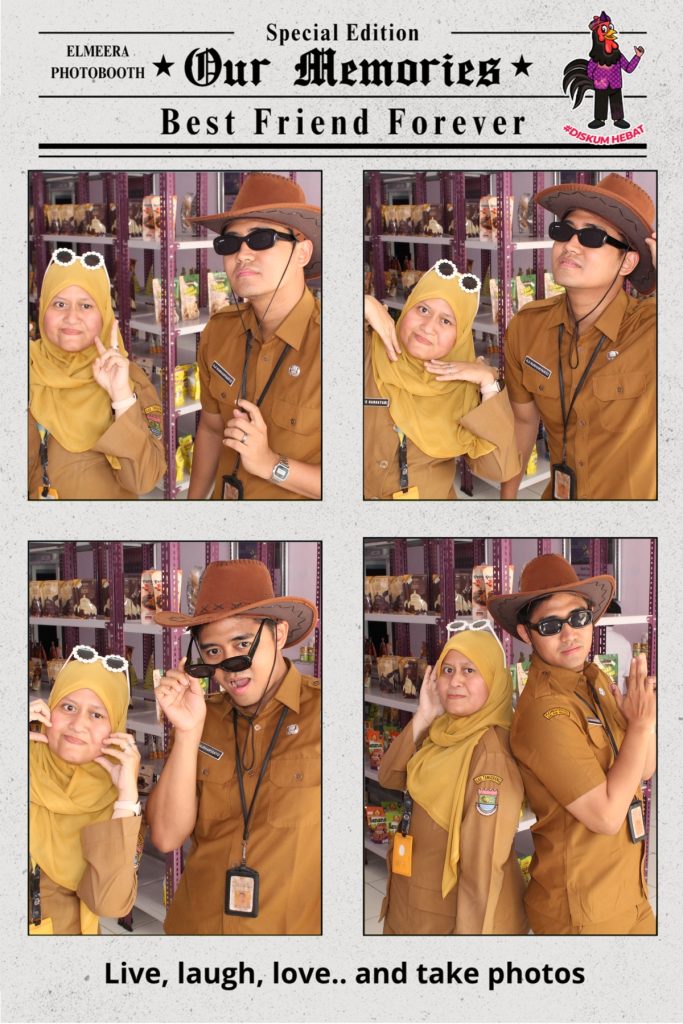
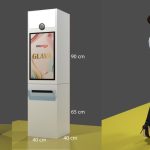
This is why, in GoPoto MiniBox, we don’t rely only on the venue’s lighting. Inside the MiniBox unit, there is already built in studio style lighting setup — not just ordinary lights that are attached randomly.
If you notice, professional photo studios face the same problem: raw light is harsh and not flattering when it hits the face directly. That’s why professional photographers almost always use softbox — a tool that diffuses light so it becomes softer and more even before reaching the subject. This is the principle we adopt in the MiniBox.
Light from inside the booth is reflected (bounce lighting) is first reflected, then passes through a layer of diffusion at the front — with the same concept as a softbox in a photo studio — before finally reaching the visitor’s face. The result is light that reaches the visitor’s face already soft, even, and flattering — not harsh direct light that creates sharp shadows.
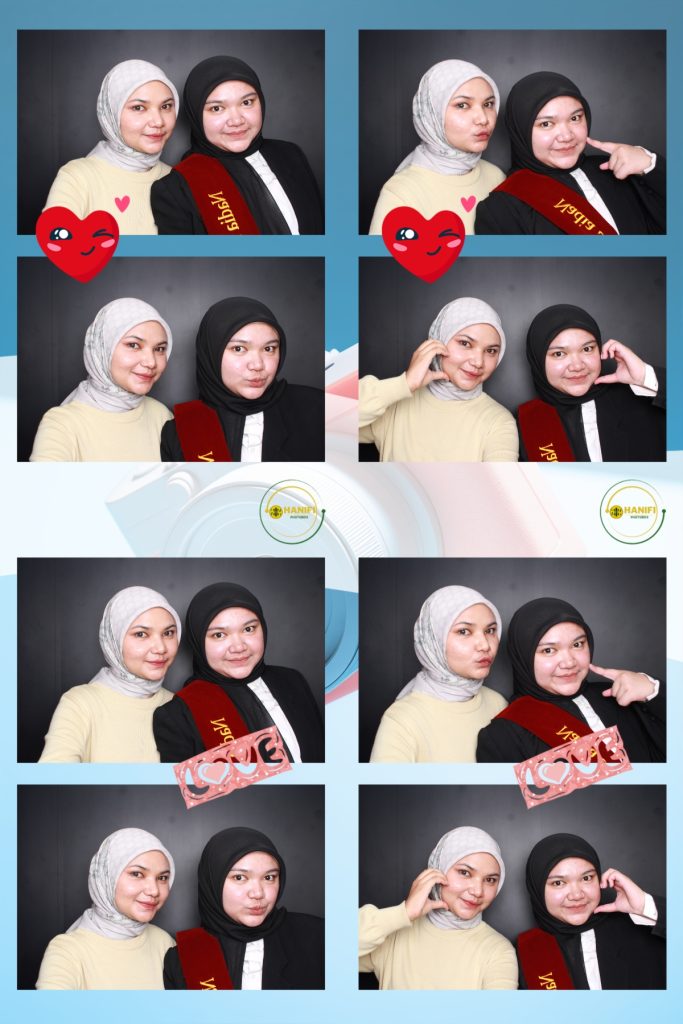
With this system, visitors’ photos come out consistently great, whether the event is in a dim ballroom, outdoors in bright sunlight, or in a mall with mixed lighting. You also no longer need to worry about extra lighting or different results depending on the venue.
Conclusion
If you’re looking for the reason why your photobooth photos aren’t turning out as well as expected, check the lighting first before rushing to replace the camera. Investing in the right lighting is often what makes the biggest difference between an ordinary photobooth and one that makes people want to post the photos on Instagram.
Want to see firsthand how photos from GoPoto MiniBox look with this built-in lighting? Chat with us on WhatsApp now and ask about the full specifications!



























Leave a Reply