
Have you ever noticed people’s reactions when they first see the result of a photo from a photobooth? Some immediately smile with satisfaction, but it’s not uncommon for others to frown and say, “Hey, why is it reversed?” or vice versa, “Why is it different from what I saw on the screen?”
This isn’t about camera quality or lighting. It’s about one small thing that surprisingly has a big impact on visitor satisfaction: camera mirror orientation.
In the world photobooth, the mirror versus no mirror This has been going on for a long time — and the answer, it turns out, is never the same for everyone.
Why do some visitors want Mirror?
When standing in front photobooth and when they look at the preview screen, most people instinctively compare what they see with what they’re used to seeing in the mirror every day — or on the front camera. smartphone they.
Mode mirror It makes the screen feel like a real mirror: when visitors raise their right hand, the image on the screen appears to raise the same side as well. It feels familiar, natural, and requires no adjustment. For most people, especially those who aren’t used to posing in front of a professional camera, this mode feels much more comfortable during the photo session.
Why do some people also want No Mirror?
On the other hand, there are also visitors — especially those who pay close attention to details like text on clothing, brand logos, accessories with writing, or even tattoos — who actually want photos without this mirror effect. The reason is simple: they want the printed photo to truly reflect the real condition, not a reversed version of reality.
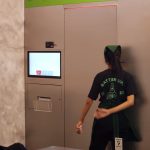
Imagine a visitor wearing a T-shirt with large text on the chest, or taking a photo with a friend holding a sign with something special written on it. If the mode mirror is active, that text will print reversed in the final result — and that is definitely disappointing.
Which one is correct?
the answer: both are correct, depending on who is standing in front of the camera.
This is the classic problem faced by owners booth — choosing one option means there’s a risk of disappointing visitors with different preferences. Setting the mode mirror permanently makes some visitors feel that their photos look “weird.” Setting the mode no mirror permanently makes some other visitors struggle to pose because the reflection on the screen feels unnatural.
Solution: Glava Gives Full Control to the Visitors
Here is where Glava, software photobox from GoPoto Indonesia, comes with a much simpler yet effective approach: let visitors decide for themselves.
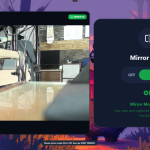
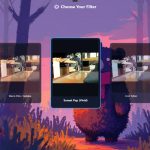
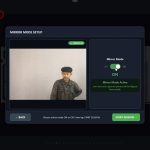
After the visitor chooses frame After the visitor chooses what they want, Glava provides an option to set whether the camera view should be in mirror mode mirror or no mirror — directly from the screen touchscreen, without needing an operator’s help, and without having to go into complicated technical settings.
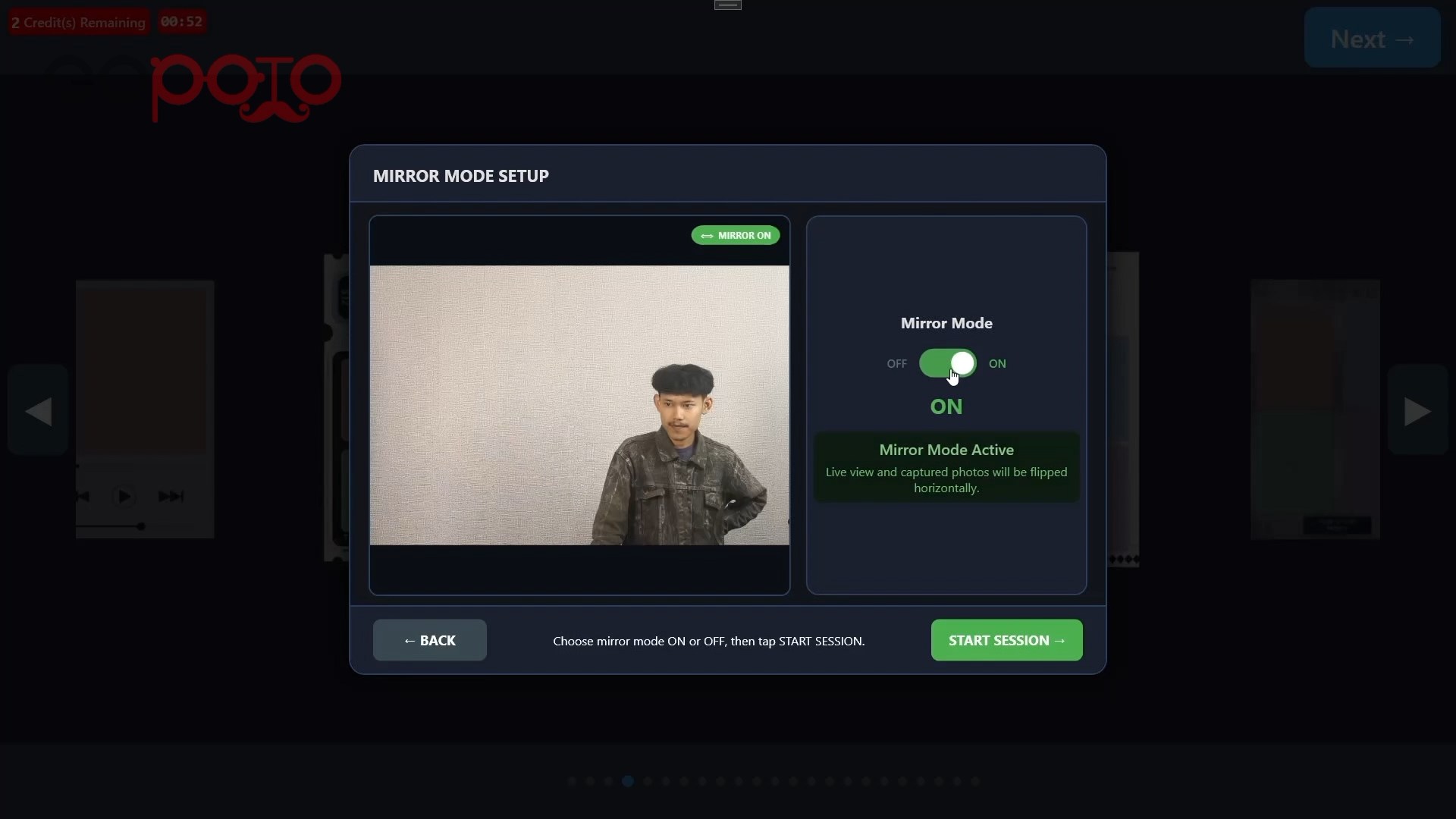
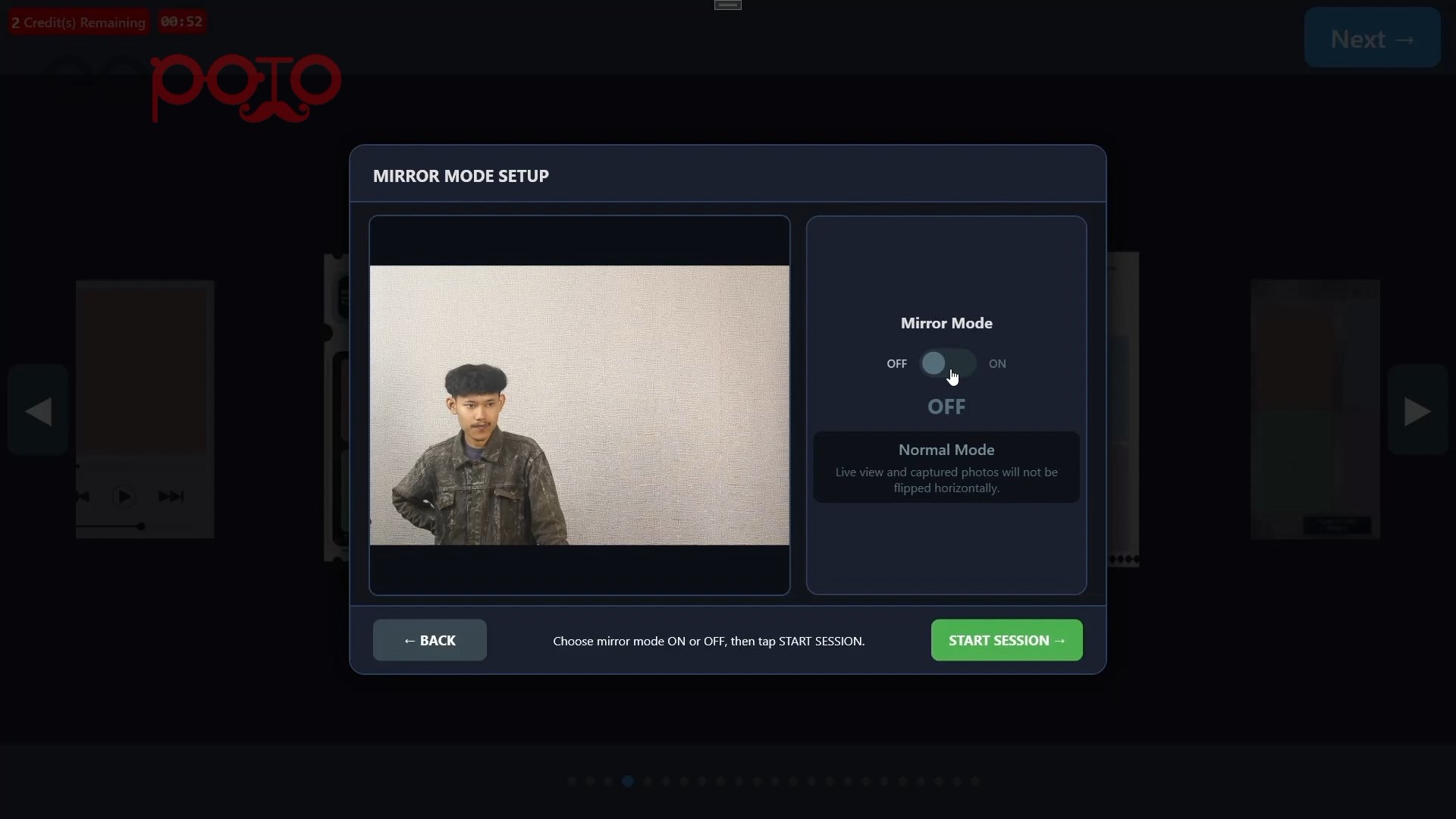
With that, every photo session is truly personalized to each visitor’s preferences. Those who want an experience as comfortable as looking in a mirror simply choose mirror. Those who want their photos to match the real-life condition — with the writing on their shirt readable correctly and the logo not reversed — simply choose no mirror. Everything happens in seconds, without disrupting the booth’s flow.
Why is such a small feature important for your business?
For owners booth, this feature may seem trivial on the surface. But in reality, small details like this are what distinguish an ordinary photobooth experience from one that feels premium and thoughtfully designed.
Visitors who feel attended to in detail — no matter how small — tend to leave with a positive impression, write good reviews, and, most importantly, come back again or recommend your booth to their friends. On the other hand, one small disappointing experience (such as text on a shirt being printed backward) can turn into a negative story shared with others.
With Glava, you don’t have to choose one side over the other. You simply provide a system that is smart enough to accommodate both at once — without adding to the operator’s workload, without changing hardware, and without sacrificing queue speed.
Flexibility is the Key to a Long-Lasting Photobooth Business
Mirror feature/no mirror which visitors can adjust themselves” is one concrete example of the philosophy GoPoto Indonesia follows in developing Glava: Photobooth technology should adapt to visitors, not the other way around..
The more personalization options you can offer visitors—without making the booth workflow complicated—the greater your chance of outperforming competitors that still use a one-way system.
Technical Support Whenever You Need It
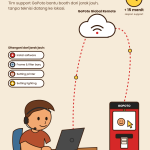
Operating a booth with flexible features like these certainly requires a reliable system and a team that is always ready. GoPoto Indonesia provides technical support that is available every day, including holidays and public holidays, with operating hours standby what time 9:00 AM – 10:00 PM WIB and a maximum 5-minute response SLA supported by digital infrastructure GoPoto Remote System which allows the technical team to handle software issues remotely, without having to wait for an in-person visit.
Interested in creating an experience photobooth that is more personal and flexible for your visitors? Discuss your booth needs with the GoPoto Indonesia team via WhatsApp at +62 877-8816-8555 — free, without pressure, and ready to help you design the system that best fits your location’s character and your target visitors.



























Leave a Reply