

The photobooth business is increasingly in demand because it combines photography services, entertainment, and experiences that can be shared on social media. Photobooths are not only used at weddings, but also appear in shopping centers, cafés, tourist destinations, campuses, corporate events, exhibitions, and entertainment venues. Although it may look simple, starting a photobooth business still requires careful planning. Mistakes in choosing a concept, location, equipment, or operational system can make it hard to recover your capital. That is why prospective owners need to understand several important things before buying a photobooth unit.
Market and competitor research
The first step is market research. Find out who the target customers are, what service prices apply, and what photobooth concepts already exist in that area.
If you want to rent a photobooth for events, your target market could be couples getting married, companies, schools, campuses, event organizers, and brands running promotions. Meanwhile, if you want to place a booth permanently, target customers could be mall visitors, café guests, tourist destinations, or entertainment center visitors.
Also observe competitors. Pay attention to camera types, print sizes, template designs, session duration, number of prints, package prices, and service quality. This research helps you find market gaps and create differentiation.
Determining the business model
A photobooth business can run on several models:
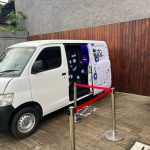
First, a portable model for rental to various events. Portable units are more flexible because they can be moved according to event needs.
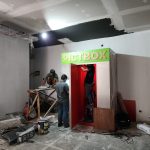
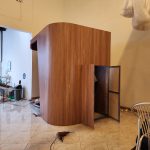
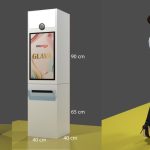
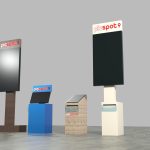
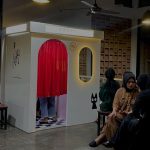
Second, a fixed booth model placed at a specific location, such as a mall, café, tourist destination, or public area. This model can run independently with an automatic payment system.
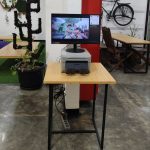
Third, a print station model that allows customers to print photos from their smartphone gallery. This type can be placed next to the main photobooth to add another source of income.
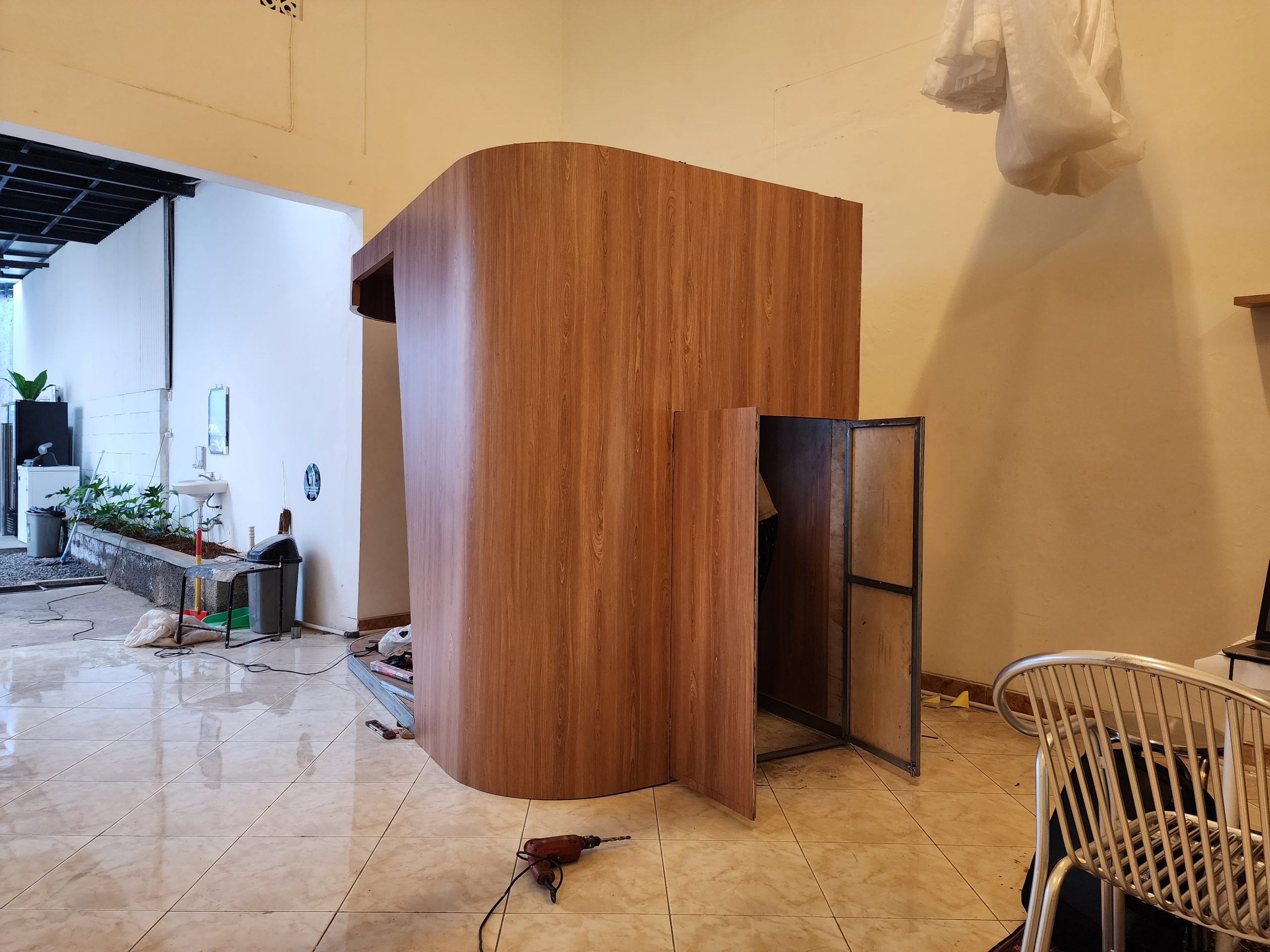
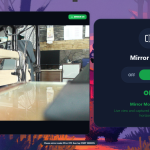
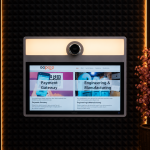
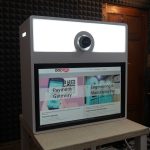
GoPoto also provides the Minibox solution, which includes key components such as a DSLR or mirrorless camera, mini PC, lighting, and monitor. This concept allows business owners to build the booth frame locally without shipping large physical units.
Calculating capital and operating costs
Initial capital is not only the price of the photobooth unit. You also need to calculate the printer, paper, ink or ribbon, props, backdrop, transportation, internet connection, payment devices, venue rent, promotion, and maintenance costs. For event models, transportation and operator staff costs need to be included in the package price. For fixed booth models, location rent and revenue-sharing with the venue owner must be calculated realistically. Besides initial capital, create a simulation of the number of sessions needed for the capital to be recovered. Also consider scenarios where the number of customers falls below target.
Choosing equipment and software
The camera, lighting, printer, computer, monitor, and software must be compatible with one another. Do not choose equipment based only on the lowest price. Consider ease of use, availability of spare parts, print speed, photo quality, and technical support. GoPoto's Glava software supports various printer formats, from professional photo printers, inkjet, and laser printers to label printers and thermal printers. This flexibility can help business owners adjust equipment to their needs and operating costs.
Preparing the concept and brand identity
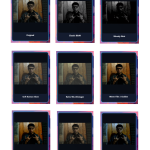
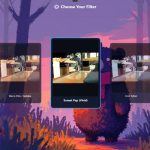
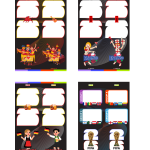
A photobooth needs a distinctive identity so it does not look the same as competitors. A distinctive identity can come from booth design, brand colors, template style, filter type, prop choices, or the customer experience. You can choose a minimalist, vintage, Korean-style, newspaper photobooth, corporate, wedding, or playful concept. Make sure the concept fits the target market and location.
Preparing operations
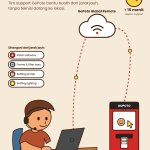
Set up work procedures from the start. These procedures include checking the camera, printer, internet connection, paper, lighting, payment system, templates, and booth cleanliness. For event booths, run a test before departing. For permanent booths, make sure someone is available to do routine checks on site. Remote support helps, but physical issues such as running out of paper, loose cables, or a jammed printer still require direct inspection.
Building marketing
Instagram and TikTok can be used to show photo results, the setup process, customer reactions, feature demonstrations, and testimonials. Short video content such as “before and after entering the photobooth”, “how the booth works”, or “photo results from different filters” can help prospective customers understand the service. A photobooth business cannot rely solely on an attractive unit. Owners need to prepare the business model, capital calculations, location, equipment, software, operations, and marketing all at the same time.
👉 Contact GoPoto Indonesia now and find a photobooth solution that fits your business needs!





























Leave a Reply