

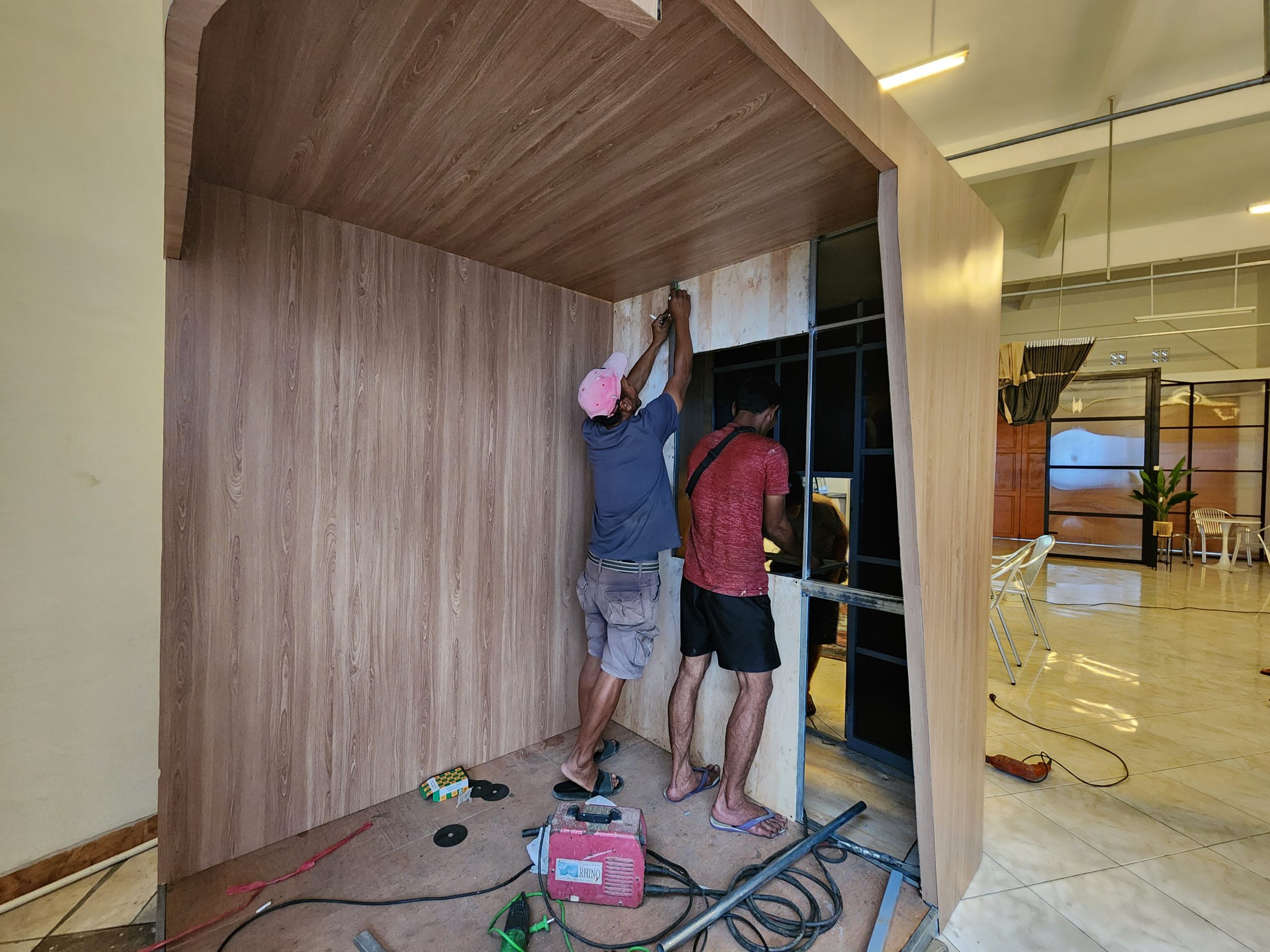
Opening a photobooth business does not always mean you must immediately own a large booth, a permanent location, and excessive equipment. With proper planning, you can start small, test the market, and grow the business gradually according to customer demand. A photobooth is no longer just a photo printing service. This business sells a place experience for capturing moments, fun activities for gatherings, content ready to share on social media, and even a creative promotional medium for brands and events. That is why photobooth opportunities are open to many markets, from cafés, campuses, and weddings to corporate events, bazaars, and shopping centers.
Start with a lightweight business model
Before buying equipment, first decide the business model you want to run. This step is important so your spending is more focused and you do not buy devices you do not yet need.
To start on a small scale, consider the following models:
-Photobooth for events, such as weddings, birthdays, office gatherings, exhibitions, and product launches.
-Pop-up photobooth, a temporary booth at bazaars, festivals, campuses, or community events.
-Photobooth in cafés, through cooperation with the venue owner using a revenue-sharing system or a small area rental.
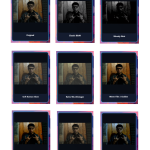
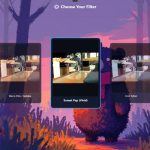
-Digital photobooth, a photo service where results are sent via QR code, gallery link, or WhatsApp without always printing photos.
-Branded photobooth, a photo service with custom templates that include a logo, event name, campaign, or brand identity.
Event and pop-up models are usually better suited to the early stage because they do not demand fixed location operating costs. You can bring the equipment to customer locations, build a portfolio, and see which concept the market likes most. Prospective photobooth owners need to define their target market from the start, whether events, cafés, malls, or branding activities. A clear target market will help determine the type of service, booth concept, pricing strategy, and operational needs.
Prioritize the equipment you truly need
A small budget does not mean photo quality has to be sacrificed. The focus is on buying or preparing components that truly support operations and the customer experience. At the early stage, you can prioritize core needs such as the camera, photo processing device, lighting, preview screen, photobooth software, backdrop, and photo props. The physical booth does not always have to be permanent. Portable, modular, or foldable designs can be a more flexible choice for event and pop-up services.
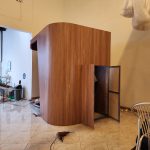
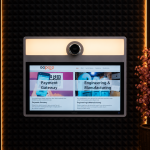
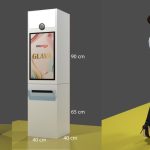
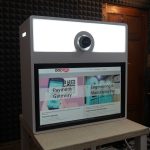
GoPoto introduced the Minibox concept as a compact module that can hold the core operational needs of a photobooth, including the camera, mini PC, and lighting. A more compact device concept can help business owners manage transportation, installation, and booth adjustments at partner locations.
If the business is still in its early stage, you can also start with digital services. Photos can be sent online, while physical printing services are added when order frequency and customer demand increase. This strategy makes the business more flexible because you can adjust your equipment investment to match demand growth.
Find strategic locations and partners
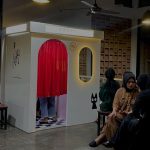
For a photobooth in a fixed location, do not just look at busy places. A good location is one that has visitors matching the target market and supports photo-taking habits. Cafés with attractive interiors, creative spaces, wedding venues, campuses, festivals, and entertainment areas can be relevant options. If you want to enter a mall, look for spots with high visitor traffic, such as areas near entrances, cinemas, food courts, or entertainment zones.
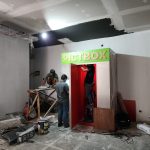
GoPoto emphasizes the importance of location research, crowd levels, booth placement, and the presence of competitors before starting a photobox business in a mall. Areas that are easy to see and located on visitors' paths have the potential to provide higher exposure than hidden areas.
To reduce risk, offer mutually beneficial cooperation to the location owner. For example, a café can get photo templates with its logo, organic content from customers, and additional activities that keep visitors around longer. Meanwhile, you gain access to the target market without having to build your own venue.
Create concepts that are easy to share
The appeal of a photobooth lies not only in bright and sharp photo results. Customers also look for a concept that is unique, fun, and worth uploading to Instagram or TikTok.
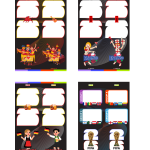
You can start with a theme that is simple yet strong, such as Korean-style photobooth, retro photo strips, vintage concepts, seasonal themes, or designs that follow the identity of a location. For events, create templates that include the event name, date, sponsor logos, or campaign hashtag. Add simple props such as glasses, signboards, frames, hats, flowers, or accessories that match the theme. These props are relatively easy to prepare, yet they make the photo session feel more interactive and produce more varied results.
GoPoto's materials also highlight the importance of themed templates and promotion through local influencers during soft launch. In addition, customer testimonials and content created by visitors can be reused as promotional material for the business on social media.
Use simple marketing strategies
In the early phase, social media is the main marketing asset. Use Instagram and TikTok to showcase photo results, the booth atmosphere, customer expressions, template designs, and the behind-the-scenes process during event preparation.
Equally important, document every job. Booth photos, videos of customer queues, print results, and testimonials can become social proof that helps prospective customers trust the quality of your service.
Build the business gradually
A photobooth business can grow without starting with large operations. Focus on the services that are easiest to run, build a portfolio from small events, maintain photo quality, and improve the customer experience over time.
Once demand increases, you can add features such as instant printing, frame options, premium templates, more complete props, a cashless payment system, and eventually a permanent booth at strategic locations. With a gradual approach, every business development is based on market needs, not just following trends.
Want to start or grow a photobooth business with a more practical system? Visit GoPoto to explore software solutions, photobooth modules, and operational needs that can be adjusted to your business concept.






























Leave a Reply